My First Paycheck and the Math I Never Learned in School
I still remember opening my first “real” paycheck after college and having absolutely no idea what to do with it. Rent, phone bill, gym membership I barely used, a credit card I’d already started leaning on — it all just came out whenever it came out. There was no system, just vibes.
A friend mentioned the 50/30/20 rule for young adults almost as an afterthought, like it was common knowledge. It wasn’t, not to me. Once I actually tried it, a few things clicked that I wish someone had explained before I was twenty-three and confused about where my money kept going.
What the 50/30/20 Rule Actually Is
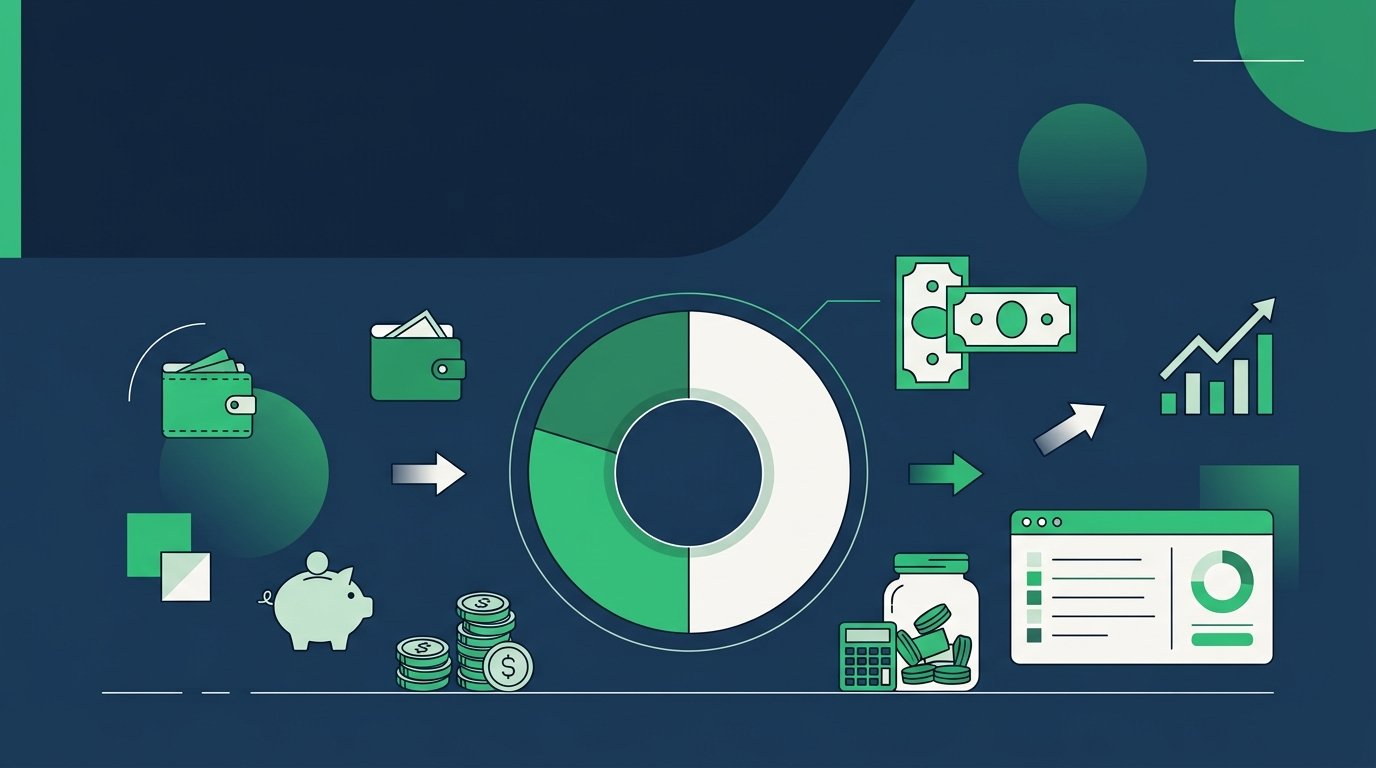
The idea is simple on paper: split your take-home pay into three buckets.
- 50% for needs — rent, groceries, utilities, minimum debt payments, transportation
- 30% for wants — eating out, subscriptions, hobbies, that one concert ticket
- 20% for savings and debt payoff — emergency fund, extra student loan payments, retirement
Sounds clean. In practice, applying the 50/30/20 rule as a young adult is messier than the percentages suggest, and that’s exactly where I got tripped up.
What I Wish I’d Known #1: “Needs” Is Smaller Than You Think
I used to file almost everything under “needs.” Streaming subscriptions, the fancier gym, food delivery when I didn’t feel like cooking — all “needs” in my head, none of them actually needs.
Here’s a quick gut check that helped me: if you could survive a rough month without it, it’s probably a want, not a need. Once I got honest about this split, my real needs percentage was lower than I expected, which meant I actually had more room in the other two buckets than I thought.
What I Wish I’d Known #2: The Rule Assumes a Stable Paycheck
The 50/30/20 rule was built with a steady salary in mind. If you’re a young adult with irregular income — tips, freelance gigs, a part-time job on top of a full-time one — applying fixed percentages to a number that changes every month doesn’t work well.
What worked better for me:
- Calculate the percentages off your average income over the last three months, not just this month’s number.
- In good months, push extra into the 20% savings bucket instead of increasing “wants” spending.
- In lean months, let the wants category shrink first — needs and savings stay protected.
What I Wish I’d Known #3: 20% Savings Felt Impossible at First, and That’s Normal
When I first ran the numbers, saving a full 20% felt like a joke. Rent alone was eating close to 40% of my paycheck in the city I lived in, which didn’t leave much for anything else.
If this is you, don’t scrap the whole plan. Start with whatever percentage of savings you can actually hit, even if it’s 5%, and treat 20% as the direction you’re moving toward, not a number you need to hit on day one. Adjusting the 50/30/20 rule to fit a young adult’s real starting point matters more than following the exact math.
What I Wish I’d Known #4: Debt Changes the Formula
Minimum debt payments count as “needs,” but extra payments toward that debt should come out of your 20% bucket. I didn’t separate these at first, which made it look like I was saving when really I was just barely covering minimums.
Separating “minimum payment” from “extra payoff” gave me a much clearer picture of whether I was actually making progress or just staying afloat.
A Simple Way to Start This Week
You don’t need a fancy app to try this. Here’s the version I’d tell my younger self to do:
- Add up your take-home pay from the last 3 months and find the monthly average.
- List your true needs (see the gut-check above) and calculate that as a percentage of income.
- Whatever’s left, aim for a 30/20 split between wants and savings, adjusting as needed.
- Track it for one month in a simple spreadsheet before judging whether it’s working.
If you haven’t set up a tracking system yet, our guide to building a budget spreadsheet pairs well with this method.
Tools That Make This Easier
A basic spreadsheet works fine, but budgeting apps like Mint or YNAB can auto-split your spending into these categories if you’d rather not track manually. For a deeper look at the original method, Investor.gov has a solid breakdown of budgeting basics aimed at people just starting out.
Once your budgeting system is steady, it’s worth reading our guide on building an emergency fund, since the 20% bucket usually starts there before moving to other goals.
Common Mistakes to Avoid
- Don’t lump wants into needs just because they feel routine
- Don’t apply fixed percentages to income that changes every month without averaging first
- Don’t give up on the 20% savings goal just because you can’t hit it immediately
- Don’t mix minimum debt payments with extra payoff amounts
Final Thoughts
The 50/30/20 rule isn’t a strict formula, it’s a starting point. What actually made it useful for me as a young adult wasn’t following the percentages exactly, it was using them to notice where my money was quietly leaking. Start rough, adjust monthly, and don’t expect it to feel perfect in the first few tries.
For more on where to go from here, check out our Budgeting Basics for Beginners hub.
FAQs
Does the 50/30/20 rule work for young adults with student loans?
Yes, but separate minimum loan payments (a “need”) from any extra payments toward the loan (which count toward your 20% savings/debt bucket). This keeps the math accurate.
What if my income changes every month?
Use your average income over the past few months instead of a single paycheck, and let your “wants” category flex first during leaner months.
Is 20% savings realistic for someone just starting out?
Not always right away, especially with high rent. Start with a smaller percentage you can actually sustain and increase it gradually rather than abandoning the method.
What counts as a “want” versus a “need”?
A good gut check: if you could get through a rough month without it, it’s likely a want. Subscriptions, delivery, and non-essential upgrades usually fall here even if they feel routine.
Is the 50/30/20 rule better than a zero-based budget?
Neither is objectively better — the 50/30/20 rule is simpler to start with, while zero-based budgeting gives more control over every dollar. Many young adults start with 50/30/20 and shift to zero-based budgeting later.