What Finally Made This System Stick After Starting Full-Time
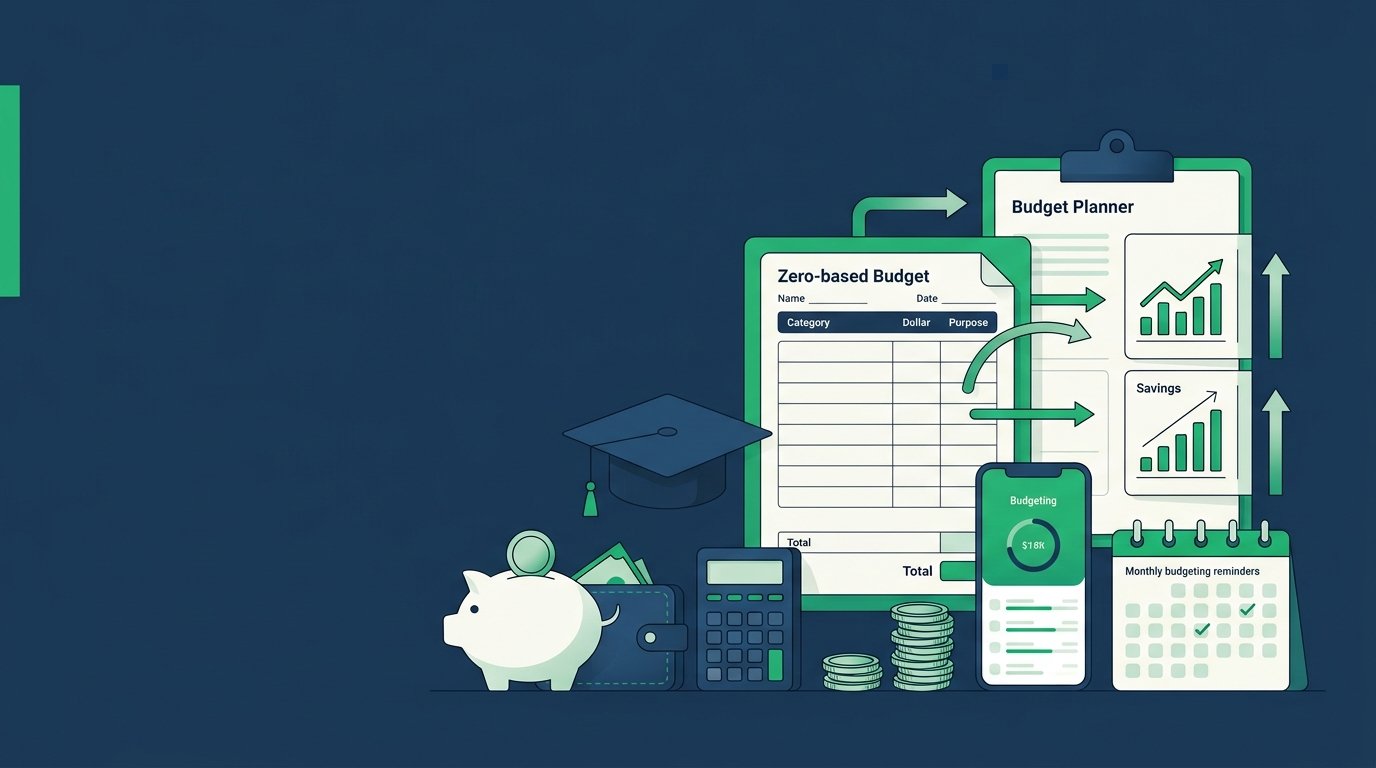
After a rough first month of copying my old student budget and watching it fall apart against a real salary, I rebuilt my zero-based budget as a recent graduate around what post-grad life actually looks like. This version, simplified categories, a specific plan for new expenses, and weekly check-ins during the settling-in period, is what finally held up.
Here’s the exact approach.
Build Four Categories Around Your New Life, Not Your Old One
Starting with too much detail is the fastest way to abandon this system during an already overwhelming transition. Four broad categories worked far better than the fourteen I tried initially:
- Fixed costs: rent (likely full rent now, not split with roommates), insurance, minimum loan payments
- Semi-fixed: groceries, commuting, utilities
- Flexible spending: dining out, entertainment, personal, work-related costs like coffee with coworkers
- Savings/goals: emergency buffer, extra loan payments, retirement contributions
Give New Work-Related Costs Their Own Space Temporarily
Commuting, professional clothing, occasional team lunches, these expenses didn’t exist the same way during college and easily get lost inside a generic “flexible spending” category. For at least the first two months, track them separately so you actually know the real average before folding them into a broader category.
Separate Your First Paycheck’s Bonuses From Baseline Income
If your first paycheck included a signing bonus, relocation reimbursement, or back pay, exclude it from your regular budget entirely. Assign it a specific one-time job, like building your emergency buffer, rather than letting it inflate what looks like your normal monthly income.
Build a Smaller Buffer Before the Full Emergency Fund Target
The standard 3-6 month emergency fund advice can feel out of reach during a period already full of moving costs, deposits, and new expenses. Start with something smaller and specific, around $500-1,000, before working toward the larger target. Getting real protection in place quickly matters more than hitting the textbook number immediately.
If you’re also navigating a delayed or irregular first paycheck, our guide to budgeting on irregular income covers that transition specifically.
Check In Weekly for the First Two Months, Then Monthly
Your spending pattern isn’t settled yet in the first weeks of full-time work. Commuting costs, social spending with new coworkers, and setup expenses all shift as you find a routine. Weekly check-ins during this window catch a category running over while there’s still time to adjust, instead of discovering it a month later.
Once your categories settle after a couple months, monthly reviews are usually enough to maintain the system.
Separate Minimum Loan Payments From Extra Payoff
Minimum student loan payments belong in fixed costs. Anything extra toward the loan should come from your savings/goals category, tracked separately, so you can actually tell whether you’re making progress or just meeting the required minimum.
If you want more structure specifically for flexible spending, our guide to the cash envelope system for recent graduates pairs well with this setup.
Tools That Help
A free Google Sheets template covers this entire system without adding another subscription cost during a period already full of new expenses. For general guidance on this specific transition, the Consumer Financial Protection Bureau has free resources worth bookmarking.
Common Mistakes to Avoid
- Don’t reuse your old student budget categories for a new full-time salary
- Don’t fold new work-related costs into a generic category before you know the real average
- Don’t treat a signing bonus or relocation reimbursement as regular monthly income
- Don’t wait until you’ve hit a full emergency fund target before building any buffer at all
Final Thoughts
The version of zero-based budgeting that actually works for a recent graduate looks different from a generic template: fewer categories at first, a temporary line for new work costs, and weekly check-ins while everything settles. It’s not more complicated once it’s built this way, it’s genuinely more manageable, because it’s built around what this specific transition actually looks like.
For more first steps like this, check out our Budgeting Basics for Beginners hub.
FAQs
How many categories should a recent graduate’s zero-based budget have?
Start with four broad groups: fixed costs, semi-fixed costs, flexible spending, and savings/goals. Split into more detail once your spending pattern settles.
Should I track new work-related costs separately?
Yes, at least for the first couple months. Commuting, work clothes, and coworker lunches often don’t fit cleanly into old categories and are worth tracking on their own until you know the real average.
How should I handle a signing bonus in my budget?
Treat it as a one-time payment separate from your regular income, and assign it a specific job like building your emergency buffer rather than folding it into monthly spending.
How often should I review my budget in the first few months of a new job?
Weekly for the first two months, since spending patterns shift as you adjust to full-time work, then monthly once things settle into a routine.
Do I need a full emergency fund before starting this system?
No. A smaller buffer of $500-1,000 built quickly gives real protection sooner than waiting to reach the standard 3-6 month target.