I Ran a Zero-Based Budget for a Year. Here’s the Honest Verdict
People talk about a zero-based budget for young adults like it’s either a miracle system or a waste of time, depending on who you ask. I tried it for a full year to actually find out. Not the sanitized “here’s why it changed my life” version, the real one, including the months I skipped it entirely.
Here’s an honest breakdown of whether it’s actually worth setting up, and for who.
Quick Refresher: What a Zero-Based Budget Actually Is
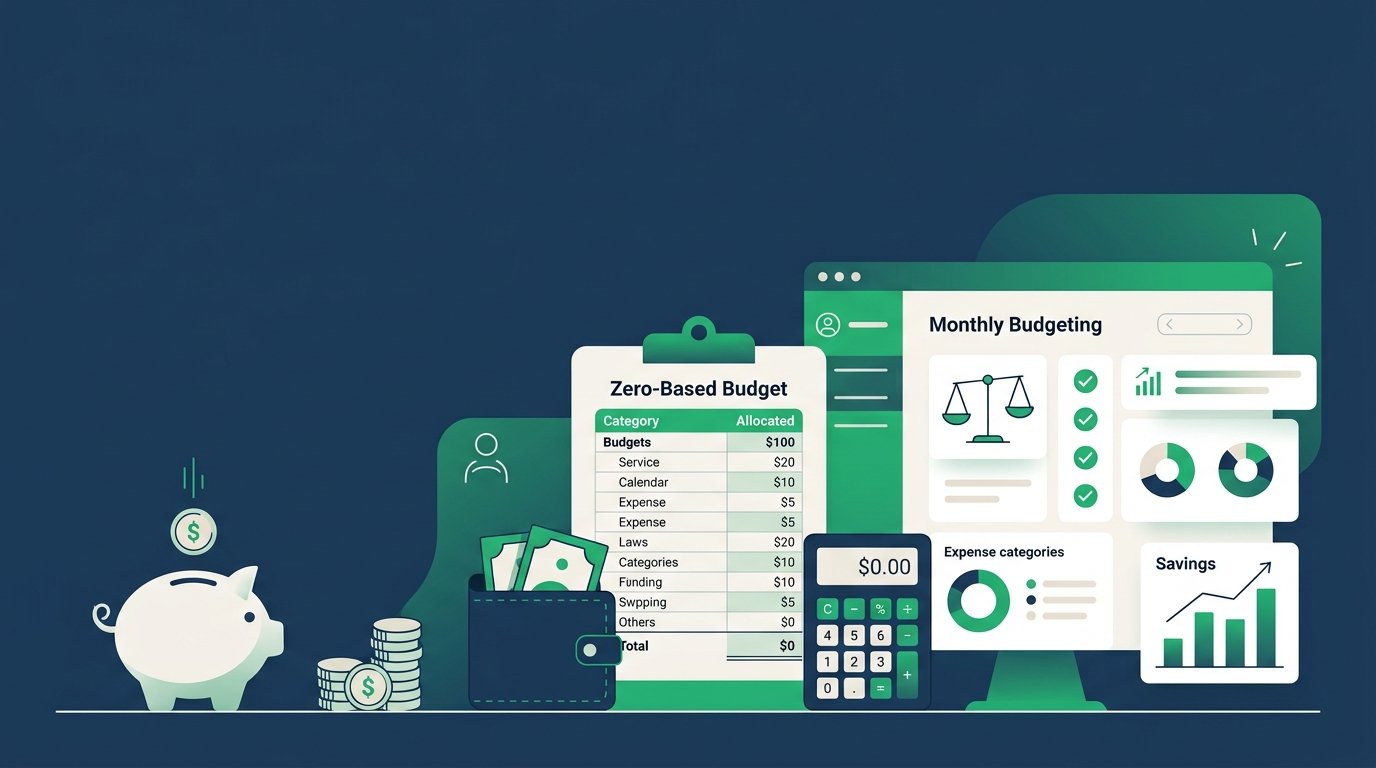
Every dollar of income gets assigned a job until income minus expenses equals zero. Rent, groceries, savings, debt, fun money, all of it accounted for. Nothing is left “unassigned” at the end of the month, even money going into savings has a specific purpose.
What Actually Worked
A few things genuinely surprised me in a good way:
- I stopped losing money to “where did it go” spending. Because every dollar had a job, there was no vague leftover category swallowing $150 a month.
- Irregular expenses stopped derailing me. Car maintenance, gifts, annual subscriptions — giving these their own small monthly line meant they didn’t blow up my budget when they actually hit.
- It forced honest conversations with myself about wants. Assigning every dollar a job means you can’t hide spending in a vague “misc” bucket. That was uncomfortable at first, useful later.
What Didn’t Work (Being Honest)
This method isn’t free of downsides, and most articles gloss over these:
- It’s genuinely time-consuming at first. My first two months took close to an hour a week just to set up and adjust categories. That’s a real cost, especially for a young adult already stretched thin on time.
- It punishes irregular income harder than other methods. Months with unpredictable freelance income made “assigning every dollar” feel impossible, since I didn’t know the total until the month was already halfway over.
- I abandoned it twice before it stuck. Once during a busy work month, once after a big unexpected expense threw every category off. Both times I went back to a looser budget for a few weeks before returning.
Who a Zero-Based Budget Is Actually Worth It For
Based on my year with it, here’s who I’d actually recommend this to:
- People with steady income. A predictable paycheck makes the “assign every dollar” step far less stressful.
- People who’ve tried looser budgets and kept overspending. If a simple percentage-based method like the 50/30/20 rule hasn’t stuck, the extra structure of zero-based budgeting might be exactly what’s missing.
- People with a specific savings or debt goal. The method shines when there’s a clear target you’re assigning dollars toward, like paying off a credit card or building a house down payment.
If you want a comparison, our guide to the 50/30/20 rule covers the lighter alternative I’d suggest trying first if you’re not sure zero-based budgeting is for you.
Who It’s Probably Not Worth It For
If your income changes significantly month to month, or you genuinely don’t have time to check in weekly, a zero-based budget can create more stress than it solves. In that case, a simpler percentage-based method or a cash envelope system for just a couple of categories tends to be more sustainable.
The Verdict
Was it worth it? Overall, yes, but not without real friction. The savings and clarity I got from it outweighed the setup time once I simplified my categories and switched to weekly instead of daily check-ins. If you’re considering it, expect a rough first month, and don’t take it as a sign the method’s broken if you fall off it once or twice before it sticks.
If you’re just getting started with the setup itself, our guide on cutting back with a zero-based budget walks through the category and check-in structure that finally worked for me.
Tools That Help
YNAB (You Need A Budget) is built specifically for this method and automates a lot of the category assignment, though it’s a paid tool after a trial period. A free Google Sheets template works just as well if you’re not ready to pay for software. For general budgeting fundamentals, Investor.gov has a solid free explainer.
Common Mistakes to Avoid
- Don’t start with too many categories in your first month, it’s the fastest way to burn out
- Don’t expect it to feel easy right away if your income is irregular
- Don’t treat falling off the system once as a reason to quit entirely
- Don’t skip a weekly check-in and expect the monthly numbers to stay accurate on their own
Final Thoughts
A zero-based budget isn’t for everyone, and anyone who tells you it’s flawless probably hasn’t actually lived with it for a full year. For young adults with steady income and a clear savings goal, it’s genuinely one of the more effective methods out there. For anyone with unpredictable income or limited time, it might be worth trying a simpler system first.
For more first steps like this, check out our Budgeting Basics for Beginners hub.
FAQs
Is a zero-based budget too time-consuming for a young adult with a busy schedule?
It can be in the first month or two while you set up categories. Once simplified and switched to a weekly check-in instead of daily tracking, it takes far less time.
Does a zero-based budget work with irregular income?
It’s harder, though not impossible. Building the budget around your lowest expected income and treating anything extra as a bonus assignment makes it more manageable.
What’s the biggest downside of zero-based budgeting?
The upfront time investment and the difficulty of assigning every dollar when income isn’t predictable are the two most common frustrations.
Is a zero-based budget better than the 50/30/20 rule?
Neither is universally better. Zero-based budgeting gives more control and works well for specific savings goals, while the 50/30/20 rule is simpler and more forgiving for irregular income.
What happens if I fall off a zero-based budget for a month?
It’s common, and it doesn’t mean the method failed. Simplify your categories and restart with a weekly check-in rather than trying to catch up on every missed detail.