The First Time I Tried Zero-Based Budgeting, I Quit in Nine Days
I’d heard a zero-based budget for young adults was supposed to be the “serious” way to manage money, so I dove straight in. Every category, down to the dollar, every single expense assigned a job. By day nine, I had a panic attack over a $4 discrepancy and closed the spreadsheet for two weeks.
The problem wasn’t the method. It was that I tried to do the most detailed version of it on day one, with zero practice. Here’s what actually worked once I stopped overcomplicating it.
What Zero-Based Budgeting Actually Means
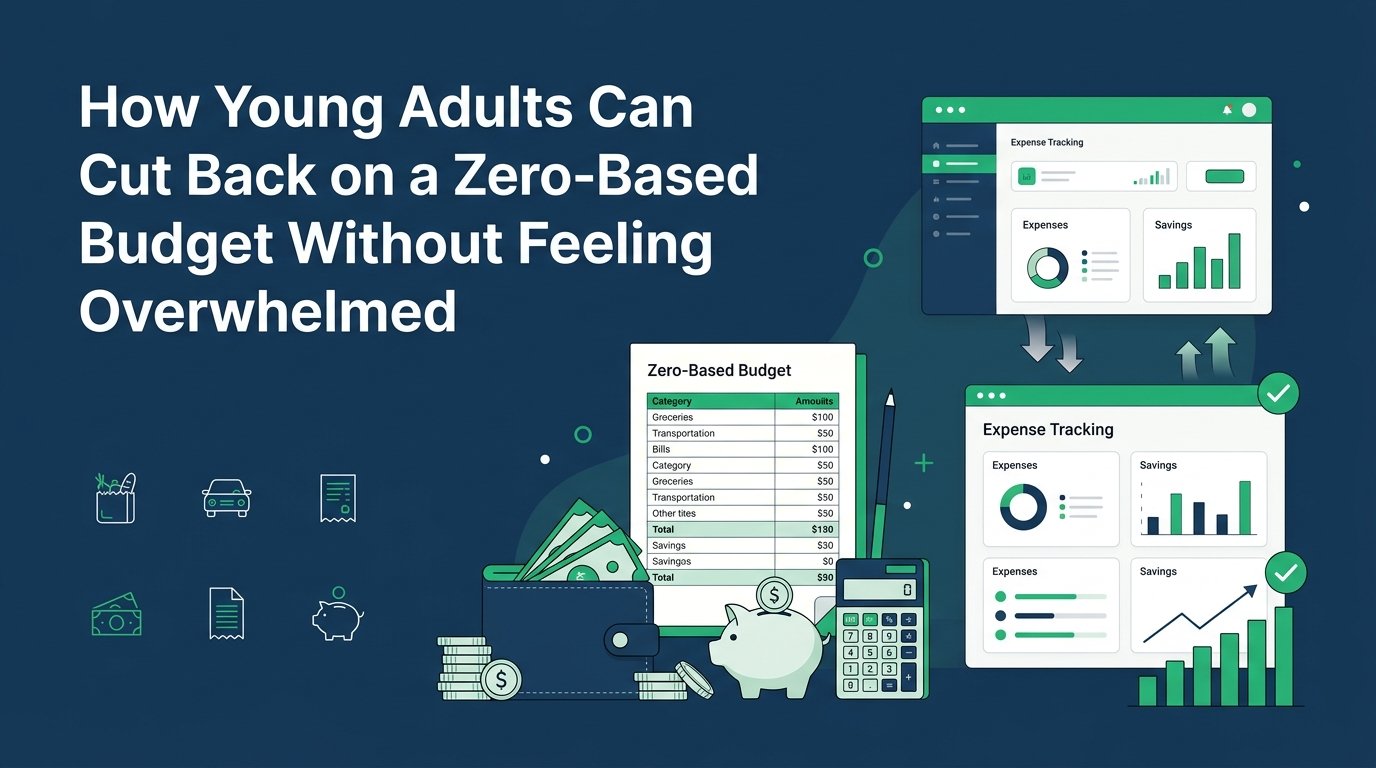
The core idea is simple: income minus expenses equals zero. Every dollar gets assigned somewhere, whether that’s rent, groceries, savings, or fun money. Nothing sits unassigned. That’s it. The “zero” doesn’t mean you spend everything; it means every dollar has a job, even the ones going into savings.
The overwhelm usually comes from how people try to execute it, not the concept itself.
Mistake I Made: Starting With Too Many Categories
My first attempt had nineteen categories. Nineteen. Coffee had its own line, separate from “dining out,” which was separate from “delivery.” It took forty-five minutes just to log a normal day.
Cutting that down to six or seven broad categories (housing, food, transportation, subscriptions, personal, savings, debt) made the whole thing sustainable. You can always split categories later once the habit sticks.
How to Actually Cut Back Without Overwhelm
Once the categories were manageable, cutting back stopped feeling like punishment and started feeling like a series of small decisions. Here’s the order that worked for me:
- Start with subscriptions. Pull up your bank statement and list every recurring charge. Cancel anything you haven’t actively used in the last month. This alone usually frees up more than people expect.
- Set a “fun money” floor before cutting anything else. Cutting your entire social life at once is why most people quit. Keep a small, guilt-free amount for going out, even while trimming other areas.
- Cut one category at a time, not all at once. Trim food spending for two weeks before also tackling transportation. Stacking every cut in the same month is what causes burnout.
- Reassign the savings, don’t just delete the spending. When you cut $50 from delivery, move that $50 into a savings or debt line immediately so the zero-based structure stays intact.
Dealing With Irregular Income as a Young Adult
If your paycheck isn’t the same every month, build your zero-based budget off your lowest expected income, not your average. Any extra above that in a good month becomes a bonus assignment, usually going straight to savings or debt payoff. This removed most of the anxiety I used to feel building a “perfect” budget around a number that might not show up.
A Simple Weekly Check-In Instead of Daily Tracking
Daily, penny-by-penny tracking is what burned me out the first time. Switching to a ten-minute weekly check-in changed everything:
- Log the week’s spending by category, not by individual transaction
- Compare against what you assigned at the start of the month
- Adjust the following week if one category ran over, borrowing from another
It’s less precise than daily tracking, but it’s the version I actually stuck with. For the spreadsheet structure I use now, our guide to building a budget spreadsheet covers the same weekly-tracking approach.
Tools That Help
Apps like YNAB (You Need A Budget) are built specifically around zero-based budgeting and can automate a lot of the category assignment. If you’d rather stick with something free, a basic Google Sheets template works just as well once your categories are simplified. For background on the method itself, Investor.gov has a solid explainer on budgeting fundamentals for beginners.
Once you’re comfortable with the basics, our guide comparing the 50/30/20 rule is worth a read if you want a less rigid alternative for months when life gets unpredictable.
Common Mistakes to Avoid
- Don’t start with more than 6-7 categories in your first month
- Don’t cut every spending category at once — it’s the fastest way to quit
- Don’t track every single transaction daily if it’s burning you out; weekly works fine
- Don’t forget to reassign cut spending into savings, or the “zero” structure breaks down
Final Thoughts
A zero-based budget doesn’t have to mean obsessive tracking or a perfect spreadsheet. It just means every dollar has a job. Start with a handful of broad categories, cut back gradually instead of all at once, and check in weekly instead of daily. It took me two failed attempts before this version finally stuck, and it’s held up ever since.
For more first steps like this, check out our Budgeting Basics for Beginners hub.
FAQs
Is a zero-based budget realistic for young adults with irregular income?
Yes, if you build it around your lowest expected monthly income rather than an average. Extra income in good months becomes a bonus assignment toward savings or debt.
How many categories should I start with?
Six or seven broad categories is enough for a first attempt. You can split them into more detailed ones later once the habit feels manageable.
Do I need to track every transaction daily?
No. A weekly check-in comparing spending by category to your budget is usually enough to stay on track without burning out.
What’s the fastest way to cut back without feeling deprived?
Start with unused subscriptions, keep a small guilt-free “fun money” amount, and cut one category at a time instead of trimming everything at once.
What’s the difference between a zero-based budget and the 50/30/20 rule?
The 50/30/20 rule uses fixed percentages, while a zero-based budget assigns every dollar individually. Zero-based budgeting gives more control but takes more setup time upfront.