Why I Switched Back to Cash in the Middle of College
Sophomore year, I checked my banking app and genuinely couldn’t tell you where $200 had gone. Not one big purchase, just a stream of $6 coffees and $12 food delivery orders that never felt like “real spending” in the moment. That’s when a friend mentioned she used a cash envelope system for college students, and honestly, I was skeptical. Cash felt outdated in a world of tap-to-pay.
I tried it anyway for one semester. It fixed the exact problem my banking app couldn’t: making spending feel real again.
What a Cash Envelope System Actually Is
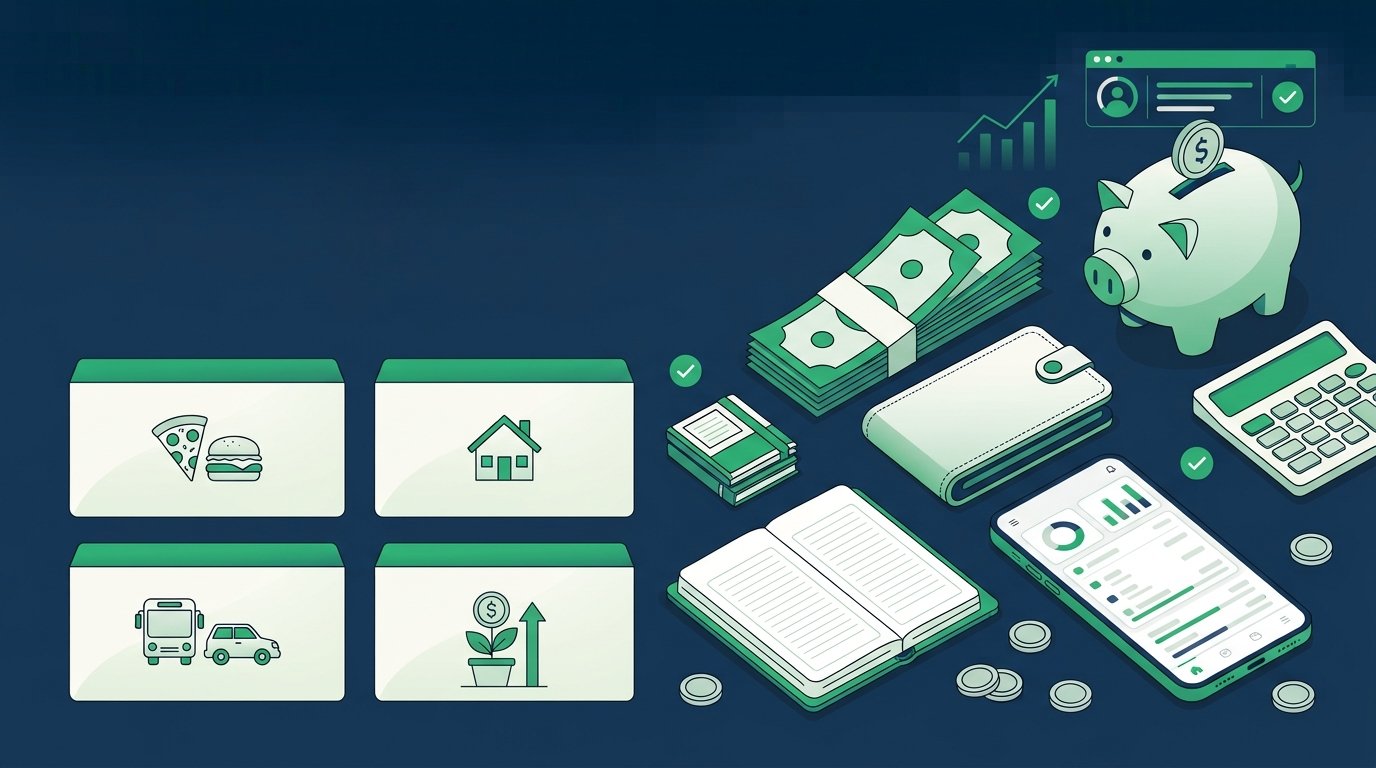
The concept is old-school but still works well in 2026, even alongside digital banking. You take your budget for flexible spending categories (food, entertainment, personal), withdraw that amount in cash, and split it into labeled envelopes. When an envelope is empty, that category is done for the period. No exceptions, no “just this once.”
It sounds strict, but that’s the point. It removes the guessing game that debit card spending creates.
Step 1: Pick the Right Categories
Don’t put your entire budget into envelopes. Fixed costs like rent, tuition, and subscriptions should stay automated through your bank. Cash envelopes work best for the categories where overspending actually happens:
- Eating out / food delivery
- Entertainment and going out
- Personal spending (clothes, self-care, random purchases)
For most college students, these three categories cover 90% of the “where did my money go” feeling.
Step 2: Set Realistic Amounts (Don’t Copy a Template)
I made the mistake early on of copying a generic envelope amount I found online. It didn’t match my actual spending, so I blew through it in a week and gave up.
Instead, pull up your last month of bank transactions and total what you actually spent in each category. Use that as your starting envelope amount, then adjust down slightly each month if you want to build savings.
Step 3: Build the System in 2026 (Cash Isn’t the Only Option Anymore)
Here’s what’s changed since the original cash envelope method: you don’t have to carry physical cash if you don’t want to. A few ways students are running this system now:
- Classic cash envelopes — actual bills in labeled envelopes, still the most effective for people who overspend digitally.
- Digital envelope apps — apps like Goodbudget or the envelope feature in some banking apps simulate the same limits without carrying cash.
- Separate debit cards per category — some banks let you open sub-accounts and load a debit card per envelope, which works well if you don’t want to carry cash around campus at night.
I personally used physical cash for food and entertainment, but a digital envelope app for personal spending since I didn’t want to carry extra cash to class. Mix and match based on what feels safe and realistic for your routine.
Step 4: Handle the “Empty Envelope” Moment
This is where most people quit the system. Your food envelope runs out four days before the month ends, and every instinct says “just use the card this once.”
What worked for me: when an envelope’s empty, I don’t restock it early. I either wait it out with what’s in the fridge, or I borrow from a category with money left, like personal spending, and note it down so next month’s amounts adjust. That small rule kept me from abandoning the whole system in month one.
Step 5: Review and Adjust Monthly
At the end of each month, check which envelopes ran dry early and which had leftover cash. Shift the amounts accordingly. My food envelope started too high and my entertainment one too low, and it took about two months of adjusting before the numbers actually matched how I lived.
If you’re tracking this alongside a broader budget, pairing it with a budget spreadsheet for college students makes the monthly review a lot faster.
Tools That Help
If you’d rather go digital than carry cash, Goodbudget is a well-known app built specifically around the envelope method. For general guidance on building spending habits as a student, the Consumer Financial Protection Bureau has free resources worth checking out.
Once your envelope categories are dialed in, it’s worth reading our guide on the 50/30/20 budgeting rule, since the two systems pair well together.
Common Mistakes to Avoid
- Don’t put fixed costs like rent into envelopes — keep those automated
- Don’t copy a generic envelope amount without checking your real spending first
- Don’t “just this once” refill an empty envelope early
- Don’t skip the monthly review — the amounts almost never stay accurate without it
Final Thoughts
A cash envelope system isn’t about being old-fashioned, it’s about making spending feel physical again in a world where tapping a card doesn’t register the same way. Start with just two or three categories, adjust monthly, and don’t worry about doing it “perfectly” the first semester. Mine definitely wasn’t perfect either.
For more first steps like this, check out our Budgeting Basics for Beginners hub.
FAQs
Is the cash envelope system still practical in 2026?
Yes, especially in digital form through apps like Goodbudget or bank sub-accounts, which let college students keep the same spending limits without carrying physical cash everywhere.
What categories work best for a cash envelope system as a college student?
Flexible spending categories like food delivery, entertainment, and personal spending work best. Fixed costs like rent and tuition should stay automated instead.
What happens when an envelope runs out early?
Avoid refilling it early. Either wait until the next cycle or borrow from another envelope and adjust next month’s amounts based on what actually happened.
Is a physical cash envelope system safe on a college campus?
If carrying cash feels risky, a digital envelope app or a separate debit card per category gives you the same spending limits without carrying money around.
How much should I put in each envelope?
Base it on your actual spending from the last month rather than a generic amount, then adjust slightly each month as you see which categories run out early or have leftovers.